
Blickfeld Explores LiDAR Applications for Enhanced Crowd Analytics
July 20, 2026·Robotics·Blickfeld
Source image from Blickfeld
Professionals and companies are already growing their network with INConnect.
Source image from Blickfeld
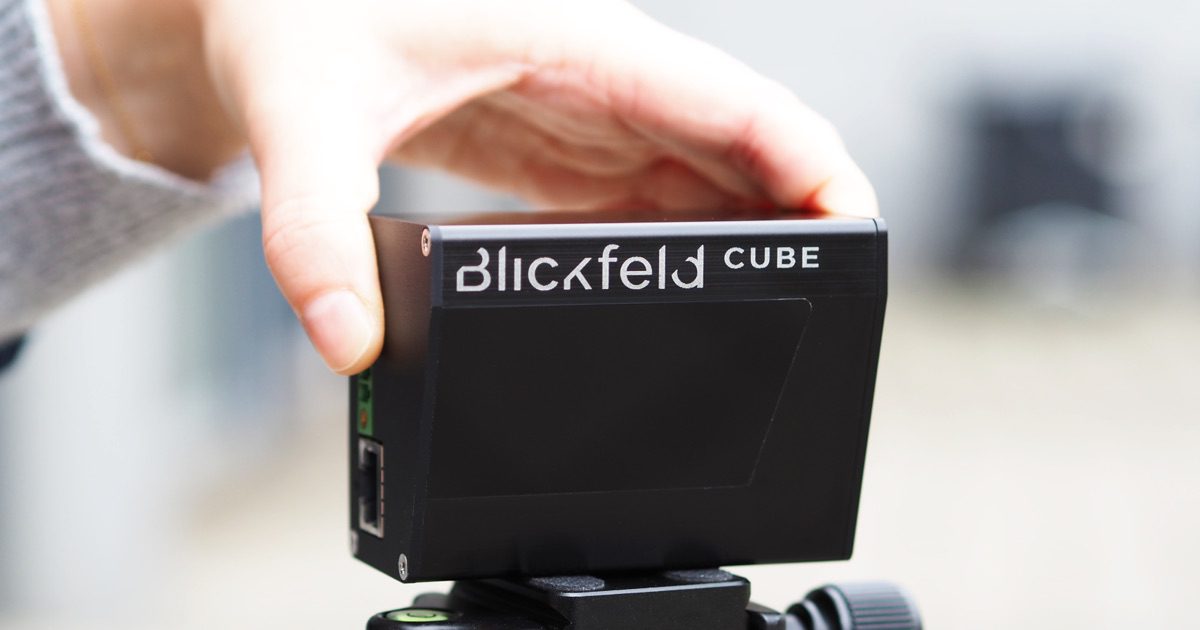
Today, Blickfeld announced its latest insights into the application of LiDAR technology in crowd analytics, emphasizing its potential to improve both safety and overall experiences in public spaces. As events and gatherings become more frequent, the need for efficient crowd management strategies has grown significantly. By utilizing LiDAR sensors, organizations can gain real-time data about crowd dynamics, enabling them to make informed decisions that enhance safety and optimize the flow of people.
LiDAR, which stands for Light Detection and Ranging, employs laser pulses to measure distances and create detailed 3D maps of environments. This technology is particularly effective in analyzing crowd behavior due to its ability to capture precise spatial data without the limitations of traditional surveillance methods. The adoption of LiDAR for crowd analytics allows for a non-intrusive means of monitoring, which respects individual privacy while still providing critical insights.
Blickfeld's approach to crowd analytics involves deploying LiDAR sensors in strategic locations. These sensors can track crowd density, movement patterns, and even predict potential bottlenecks before they escalate into safety issues. By analyzing this data, event organizers and venue managers can implement timely interventions, such as adjusting pathways, reallocating staff, or enhancing security measures to ensure a safe environment.
One of the key advantages of using LiDAR for crowd management is its capability to operate effectively in various lighting conditions, unlike traditional video-based systems that may struggle in low light or bright sunlight. This reliability makes it an ideal choice for outdoor events, concerts, and large public gatherings where visibility can vary.
Moreover, the integration of LiDAR technology with artificial intelligence can further enhance its effectiveness. Machine learning algorithms can analyze historical crowd data to identify trends and behaviors, allowing for predictive analytics that can forecast crowd movements and potential issues. This proactive approach not only improves safety but also enhances the overall experience for attendees by minimizing congestion and wait times.
The potential applications of LiDAR in crowd analytics extend beyond entertainment venues. Airports, shopping malls, and public transportation hubs can also benefit from this technology. For instance, in airports, LiDAR can help manage passenger flow through security checkpoints, ensuring a smoother travel experience. In retail environments, understanding customer movement can inform layout design and staffing decisions, ultimately driving sales and customer satisfaction.
As cities evolve and public gatherings become more complex, the need for innovative solutions in crowd management becomes increasingly apparent. Blickfeld’s exploration of LiDAR technology for crowd analytics represents a significant step towards creating safer and more enjoyable public spaces. By leveraging advanced data collection and analysis, stakeholders can better understand crowd dynamics and respond effectively to challenges as they arise.
In conclusion, the integration of LiDAR technology into crowd analytics offers a transformative approach to managing large groups of people. With its precision, reliability, and ability to provide actionable insights, LiDAR stands to revolutionize how organizations approach crowd safety and user experience. As the technology continues to advance, it will be interesting to see how its applications expand across various sectors, further enhancing public safety and operational efficiency.
For more detailed insights, visit Blickfeld's blog on crowd analytics to discover the full potential of LiDAR technology in this critical area of public management.
Blickfeld's innovative use of LiDAR for crowd analytics highlights the growing intersection of technology and public safety, offering a glimpse into the future of event management and urban planning.
Original source attribution: Blickfeld
Read Original SourceDaily email digest
Get each new LiDAR Daily article in your inbox.
More LiDAR Daily
August 28, 2026
Hesai's latest LiDAR technology is set to revolutionize Advanced Driver-Assistance Systems (ADAS) with superior object detection capabilities and safety features for vehicles.
August 19, 2026
Hesai's Q2 2026 financial results showcase a significant revenue increase, primarily attributed to a surge in LiDAR shipments and partnerships with major automotive manufacturers.
August 9, 2026
AEye, Inc. announces participation in the upcoming J.P. Morgan Auto Conference, highlighting its advancements in software-defined lidar solutions.